
A new era of uncrewed airpower: GA-ASI’s lineup for high-tech warfare
GA-ASI is serious about retaining its position as the leading provider of UAS to the United States and its allies.

GA-ASI is serious about retaining its position as the leading provider of UAS to the United States and its allies.

While overall effectiveness is high, damage to US bases and assets in the Iran conflict shows gaps in air-and-missile-defense.

From AI adoption and agentic systems to Zero Trust and cyber resilience, Breaking Defense’s latest eBook brings together key reporting from DoDIIS 2026 on the technologies and strategies shaping the future of defense intelligence.

According to an internal memo obtained by Breaking Defense, the new role covers all ground vehicles, all small air vehicles and almost all sea vehicles, and reports directly to Deputy Defense Secretary Stephen Feinberg.
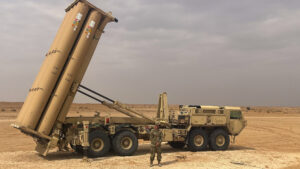
Supply shortages, damaged radars raise concerns about air and missile defense.
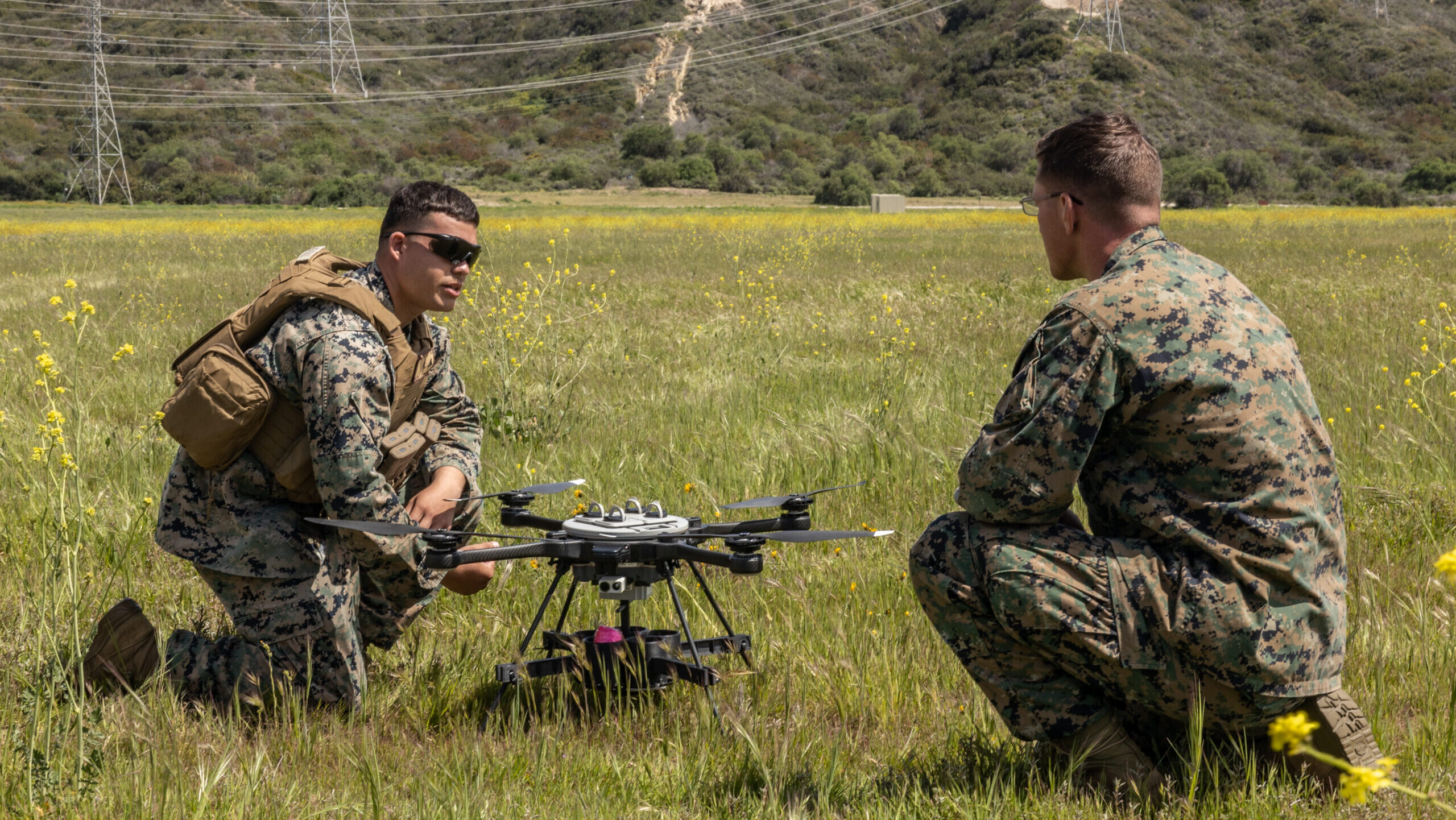
"[The] Lethality Challenge selection gives us a rail-locked pathway to thousands or tens of thousands of unit orders for this product, which has absolutely changed the caliber of discussion we’re having with investors, suppliers, other customers/partners, etc," drone-maker Bravo's Kevin Landtroop told Breaking Defense.

The MQ-9B is uniquely suited to meet the challenges of modern conflict.


Architecture that linked sensors, C2, RF effects, and lasers into a distributed c-UAS kill chain.

The system will pair Honeywell’s Stationary and Mobile UAS Reveal and Intercept (SAMURAI) system with Odys’ Laila aircraft to defend from unmanned drone threats.
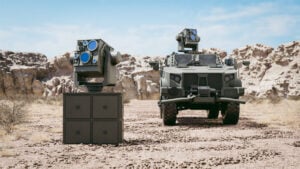
The unveiling at AUSA's Global Force comes as militaries the world over race for cheaper ways to confront the drone threat.
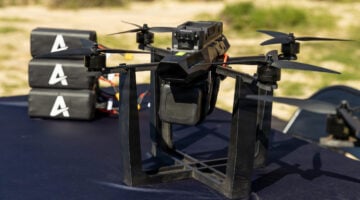
An executive from Textron argues that while new entrants can help the Pentagon, the department needs to remember that experience matters.
“I think coordination has been lacking, and you're seeing a lot more sort of cowboy behavior, which could be problematic,” Stacie Pettyjohn, a senior fellow and director of the defense program at the Center for a New American Security, said in an interview with Breaking Defense.


Models that replicate real-world physics streamline design, testing and iteration processes.

The MQ-9B and Gambit Series represent parallel capabilities that address global challenges for security head-on.

The British Ministry of Defense said Project NYX is in part how it's "pivoting to a new way of war."


Unmanned systems are the focus of efforts to prepare for potential conflicts in the region.

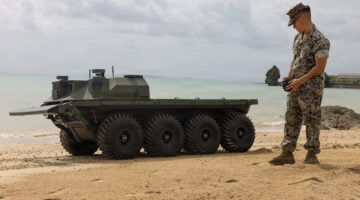
Unmanned systems reduce risk, extend communications chains and provide more precise delivery capabilities.